
The Rise of Digital Learning in Music Education
The landscape of music education has dramatically changed over the past decade. With the rise of digital technology, traditional methods of learning music are being replaced or supplemented by online platforms and resources. This transformation is empowering more individuals to pursue their passion for music from the comfort of their own homes. In this blog post, we’ll explore the advancements in digital music education, the benefits of digital learning, and how it offers opportunities for aspiring musicians.

Digital Music: A Transformative Shift
Digital music education has gained momentum as platforms for learning have evolved. Instead of relying solely on in-person lessons, students now have access to an endless database of tutorials, courses, and workshops. According to a recent survey, over 70% of music students are now utilizing digital platforms to enhance their learning experience.
The emergence of online resources allows students to learn at their own pace. They can revisit complex concepts, practice exercises repeatedly, and engage with interactive elements that traditional classrooms might lack. Whether it's through video tutorials, virtual classrooms, or free resources available on social media, digital music education caters to the unique needs of each learner.
The Benefits of Digital Learning in Music
Digital learning offers a plethora of advantages to both students and teachers. Here are a few significant benefits:
1. Accessibility
One of the most notable benefits is accessibility. Aspiring musicians no longer need to live in urban areas or attend prestigious music schools to receive quality education. With just an internet connection, students from remote areas can access top-notch resources and learn from renowned instructors worldwide.
2. Flexibility
Digital platforms provide students with a flexible approach to learning. Instead of being tied to a schedule, learners can choose when and where to study. This flexibility accommodates those who may have work commitments, family responsibilities, or other activities that make attending traditional classes challenging.
3. Diverse Learning Materials
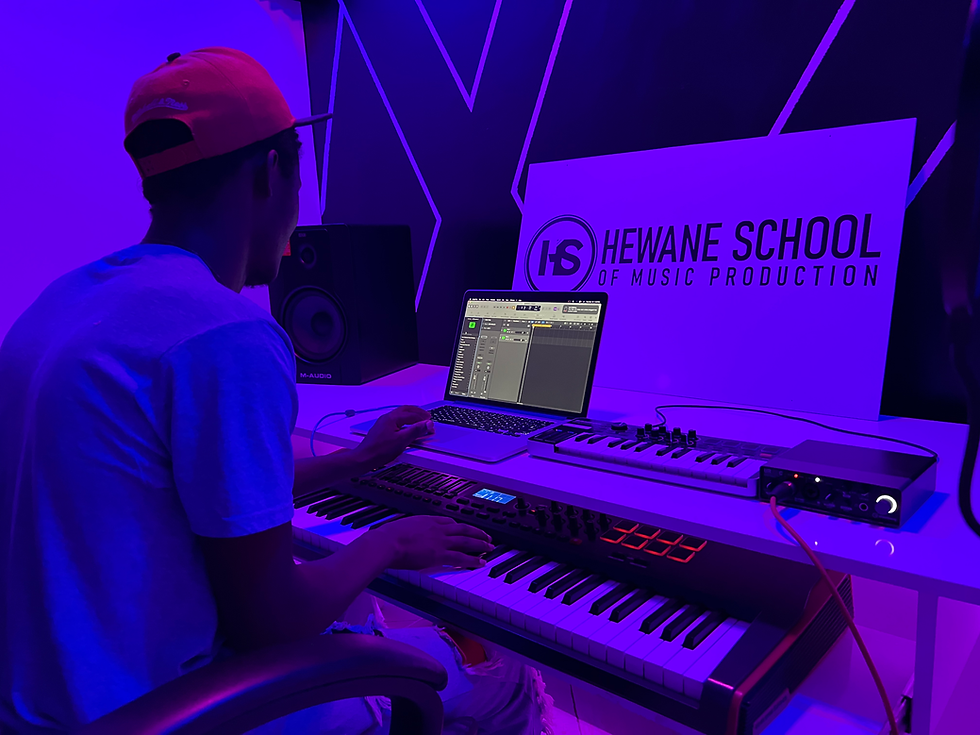
With digital learning, students have access to a vast array of materials tailored to their needs. From video lessons to interactive quizzes and downloadable resources, the options are virtually limitless. For instance, music production students can benefit greatly from specialized online music production classes that focus on various aspects of creating and recording music.

What is the Best Way to Learn Music Production?
Learning music production can be an intricate process, but with the right approach, it becomes manageable and enjoyable. Here are some effective tips for mastering music production:
1. Start with the Basics
Before diving into advanced software or techniques, it's crucial to understand the fundamentals of music theory. Learning about scales, chords, and time signatures will lay a solid foundation for your music production journey.
2. Utilize Online Resources
Various online platforms offer comprehensive courses on music production. Websites such as Hewan School provide structured lessons ranging from beginner to advanced levels. Enrolling in these online music production classes can significantly boost your skill level.
3. Hands-on Practice
Hands-on experience is irreplaceable when learning music production. Experimenting with different sounds, genres, and techniques will help you develop your unique style. Take the time to create your own tracks, whether they are simple or complex.
4. Seek Feedback
Engaging with other producers, whether online or in person, is invaluable. Ask for feedback on your tracks and be willing to accept constructive criticism. Participate in forums, social media groups, or local meetups to connect with fellow music enthusiasts.
5. Remain Consistent
Consistency is vital. Make a goal to dedicate a certain amount of time each week to practice your production skills. Whether it's experimenting with software or studying other artists, stay committed to your growth.
The Future of Music Education
As technology continues to advance, the future of music education appears bright. Innovations in virtual and augmented reality hold the potential to revolutionize how music is taught and experienced. Imagine practicing music with a holographic instructor or collaborating with musicians worldwide in a digital environment.
Additionally, artificial intelligence is also making its mark. AI can analyze student performance, suggest improvements, and tailor lessons to meet individual needs—making the learning process more efficient and personalized.

Incorporating these advancements will further enhance the accessibility and richness of music education. The future will likely see more interactive and immersive learning environments, allowing students to explore their creativity like never before.
Embracing Change in Music Education
The rise of digital learning in music education is a reflection of our times. As society becomes increasingly digital, embracing these changes is essential for aspiring musicians.
Music educators must adapt their teaching methodologies to harness the power of digital platforms. Emphasizing technology in lesson plans not only makes learning more engaging but also prepares students for a rapidly evolving industry.
As you continue your music journey, remember to seek out the vast resources available online. Engage with the music community, stay curious, and never stop learning. The tools to succeed are more accessible than ever, so take advantage of them.
In summary, digital music education is a powerful tool that can help anyone pursue their passion for music. With the right resources, strategies, and dedication, the possibilities for growth and creativity are boundless. Embrace this new era of learning and watch your musical dreams unfold.


That statistic about over 70% of music students embracing digital platforms really underscores the seismic shift happening in music education. This isn't just about convenience; it's about the power of personalized, self-paced learning that traditional models often struggle to provide, allowing for a much deeper engagement with complex concepts. While digital resources open up incredible avenues for learning theory and technique, the practical, hands-on aspects of mastering an instrument remain crucial. For those delving into string instruments, ensuring proper pitch is foundational, and having a reliable online violin tuner can be an invaluable digital tool in their learning journey.